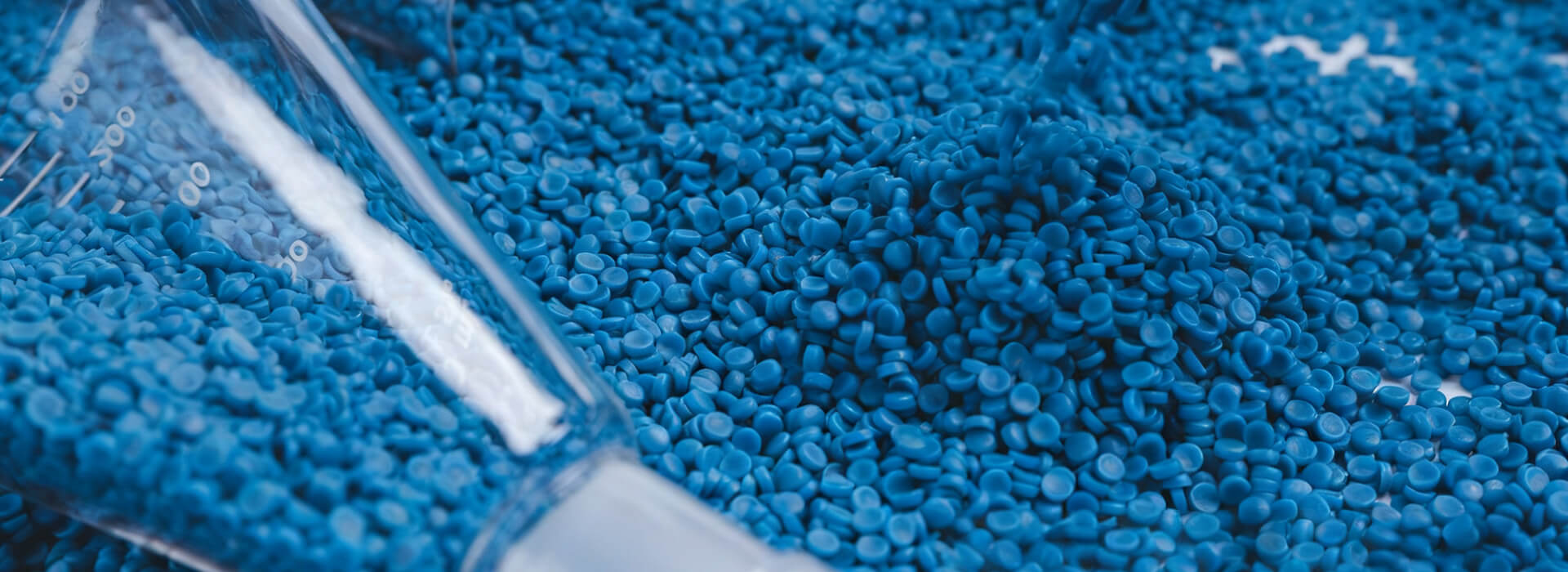
Sodium hydroxide, with the chemical formula NaOH, stands as a powerful inorganic base used every day in industries and laboratories. Its structure consists of a sodium ion (Na+) and a hydroxide ion (OH-). Most people encounter sodium hydroxide in forms like flakes, pearls, granules, powders, and sometimes as a liquid or saturated solution. At room temperature, it shows up as a white, crystalline solid, easily absorbing moisture from the air and dissolving quickly in water. Even touching a bead or flake of it requires full respect for its hazards; skin contact can burn, and breathing in dust can be harmful. Its impact reaches across sectors like paper production, textiles, cleaning products, water treatment, and chemical manufacturing.
Sodium hydroxide holds a molecular weight of 39.997 g/mol. On the surface, its chunky crystals might look harmless, but the compound reacts vigorously with water, generating heat and slippery, caustic solutions. As a solid, its density lands at about 2.13 g/cm3 and it melts at 318°C. In water, the pH shoots up, turning a solution highly alkaline. For me, handling sodium hydroxide usually means double-checking safety gear and knowing that it chews through organic matter, aluminium, and zinc — too many stories exist of etched counters and ruined lab coats from a careless moment.
Most plants use sodium hydroxide in solid forms such as technical-grade flakes, solid bricks, pearls, and powdered material. Pearls and flakes, both easy to weigh and dissolve, work well for measured applications. Large-scale buyers might prefer dense solutions, often ranging from 30% to 50% concentrations, packed in drums or IBC tanks. These solutions remain clear and syrupy, but always feel heavier than plain water. As a raw material, sodium hydroxide ranks among the backbone chemicals of manufacturing, with an HS Code of 28151100. It opens the door to producing soaps, detergents, biodiesel, and even gaining pure metals from ores. Its versatility means it shows up everywhere, from the treatment shed at a wastewater plant to the back shelf of a high school chemistry class.
Experience teaches respect here. Sodium hydroxide counts as a hazardous, highly corrosive chemical. Accidental skin or eye contact demands immediate flushing with water because burns develop in seconds. Breathing dust or mist leads to coughing, shortness of breath, and lasting lung damage. Companies must provide clear training and thorough access to gloves, goggles, and ventilation. I remember a mentor recalling the days before proper controls, when mixing NaOH in big open vats meant constant burns on hands and arms. Today, labeling, proper storage away from acids, and access to emergency showers stand as legal requirements in much of the world. Inland spills threaten surface waters and aquatic life, making quick cleanup and waste handling a must. Keeping sodium hydroxide out of food, food contact surfaces, and the hands of children should go without saying; its reputation as lye is all too well-earned.
Anyone who works in chemical, textile, or paper plants sees sodium hydroxide as the foundation for many practical processes. In papermaking, it digests wood to extract cellulose, powering newspaper, packaging, and office paper. Textile factories use it to treat fibers, helping dyes bond or give fabric a shine. Oil refineries and biodiesel plants remove unwanted acids from oil, using caustic washing with sodium hydroxide solutions. In the cleaning aisle, drain openers often contain sodium hydroxide because it can break down hair, grease, and organic clogs fast and efficiently. Municipal water treatment plants dose sodium hydroxide solutions to adjust pH and keep pipes from leaching metals. Even families use diluted sodium hydroxide to make homemade soap, following recipes that echo a craft going back centuries.
Chasing improvements and safety matters. Manufacturers could push for even clearer labeling and color indicators in commercial-grade caustic soda — a blue or red tint signals hazardous material faster to new workers. Automated, sealed delivery systems reduce risk in handling and dosing. Ventilated filling stations, better neutralization kits, and strong spill containment all help prevent accidents. Training never stops: refresher drills in first aid, spill response, and chemical management sharpen skills for laboratory technicians, plant operators, and maintenance crews. Safe storage away from acids and moisture keeps sodium hydroxide potent and prevents dangerous reactions. Packaging as flakes, pearls, or solution in tamper-evident containers lowers accidents along the supply chain.
Working with sodium hydroxide connects people to a powerful chemical with deep value but undeniable risk. It deserves vigilance, not fearmongering. Its pivotal role in production chains — making everyday goods like paper, clean water, and safe food — outweighs the dangers if managed responsibly. Using solid knowledge, protective gear, and strict protocols ensures that sodium hydroxide continues serving as a vital raw material in global industry, without turning into a source of injury, environmental harm, or product contamination.